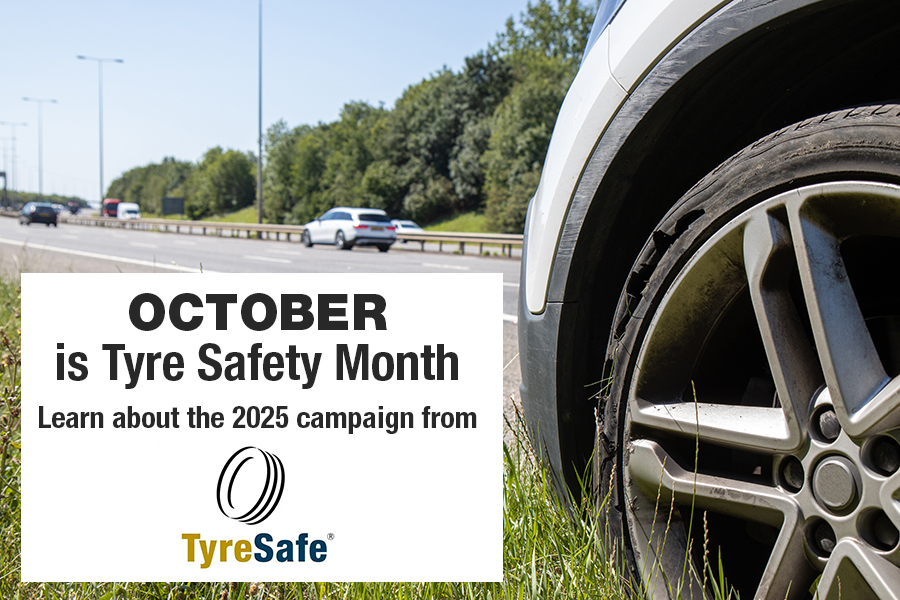
Under pressure? Don’t let tyres be one.

2025-10-29T17:43:43+00:00October 7th, 2025|DfBB Articles, News|

Tyre safety remains one of the most preventable road safety risks. With millions of vehicles covering an average of 6,082 miles per year (DfT, National Travel Survey 2025), the impact of poor tyre care is multiplied many times over. For businesses and driver managers, the message is clear - read more here.


Your drivers’ blood pressure – is it on your radar?

2025-11-07T18:56:37+00:00September 14th, 2025|DfBB Articles, News|

According to the Office for National Statistics, around 32% of UK adults have high blood pressure, yet nearly 30% of those remain undiagnosed. That’s 4–5 million people in England alone – many of whom may be behind the wheel every day.

Mental Health and Wellbeing – supporting your drivers.

2025-11-07T18:42:34+00:00August 26th, 2025|DfBB Articles, News|

Vehicle health checks are crucial before heading out on the road. They impact not only the health and safety of the driver but also other road users, yet not enough emphasis is placed on carrying out these health checks with the person controlling the vehicle; the driver.

Driver Training – Getting Drivers Road-Ready, Fast

2025-11-07T18:45:21+00:00August 1st, 2025|DfBB Articles, News|

Getting new drivers behind the wheel is often a race against the clock. Keeping up with growing demand, filling gaps during peak periods, or managing last-minute staff changes - it all adds to the pressure. Iin the scramble to get people moving, one thing can't be compromised: safety.

Seat Belts and Driving for Work – What’s the Law?

2025-10-31T17:55:08+00:00July 31st, 2025|DfBB Articles, News|

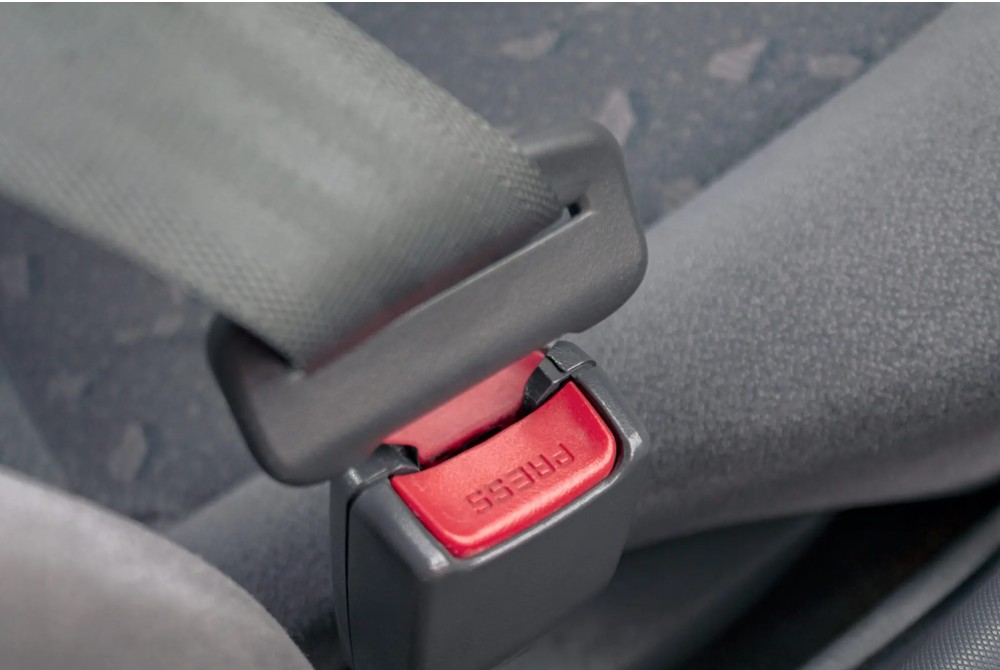
Drivers must wear seat belts or face a fixed penalty fine or increased penalty of being taken to court. Endorsements will also be disclosable to insurance companies and may lead to increased penalties. The law requires a seat belt to be worn unless an exemption applies to your driver. What are the exemptions?

Improving FNOL Efficiency – First Notification of Loss

2025-11-07T18:41:29+00:00July 18th, 2025|DfBB Articles, News|

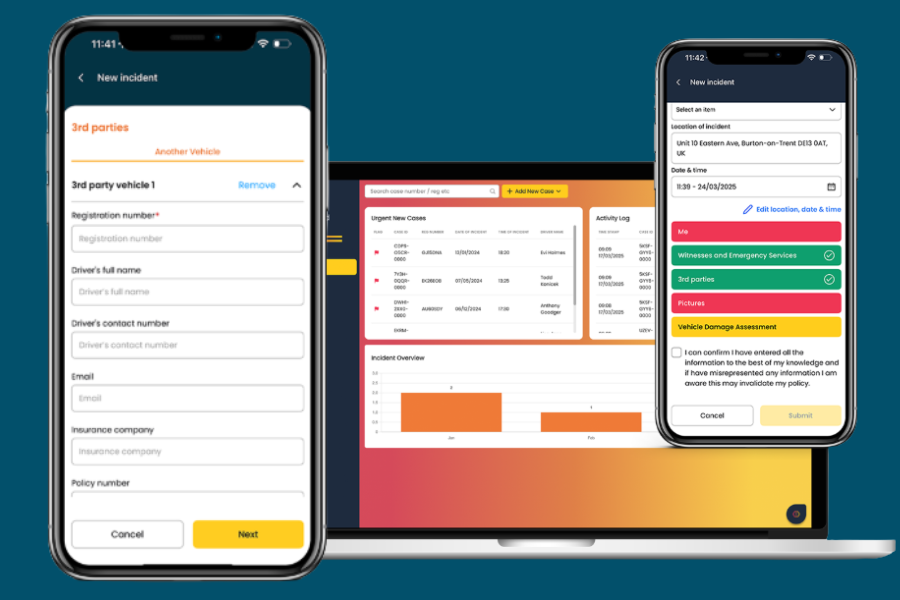
Automation is a valuable tool helping fleet professionals ensure FNOL is carried out quickly, efficiently and accurately. When data capture, alerts and workflows are automated through tech-solutions such as driver risk management platforms, this removes a significant amount of admin, minimising costs and reducing the risk of fraud.

Incident reporting – Why First Notification of Loss Matters

2025-10-30T18:04:29+00:00July 7th, 2025|DfBB Articles, News|

First Notification of Loss (FNOL) isn't just a form to fill in, it's a frontline tool for managing risk, staying compliant, and keeping costs down. When fleets take FNOL seriously and get it right, the benefits are clear: faster decisions, lower claims costs, better outcomes for insurers, operators, and drivers.

Driver Fatigue – we need to talk about your drivers

2025-11-11T14:06:08+00:00June 30th, 2025|DfBB Articles, News|

Driving professionally is a demanding job, requiring skill, concentration, and constant vigilance. A crucial part of being fit to drive – and something we all need to take seriously – is to be properly rested. We often talk about vehicle checks and driving hours, but how often do you assess the amount of good quality sleep that your drivers are getting?

The UK Diabetes Crisis – Hiding in Plain Sight

2025-11-11T14:09:17+00:00June 4th, 2025|DfBB Articles, News|

Diabetes is a major, under-recognised health and safety crisis facing the UK’s commercial road transport industry. Diabetes is a condition that significantly impairs concentration, reaction times, and long-term wellbeing – all of which should worry those who manage employees who drive for work, for obvious reasons.

Managing Driver Mental Health – Mental Heath Awareness Week

2025-08-27T13:37:08+01:00May 13th, 2025|DfBB Articles, News|

Many drivers experience work-related stress, social isolation, or even abuse on the road. Van drivers face a 25% higher suicide rate than the national average, while truck drivers see a 20% increase. Poor mental health can affect concentration, reaction time, and decision-making ability – factors that can turn minor lapses into catastrophic road incidents.

Go to Top